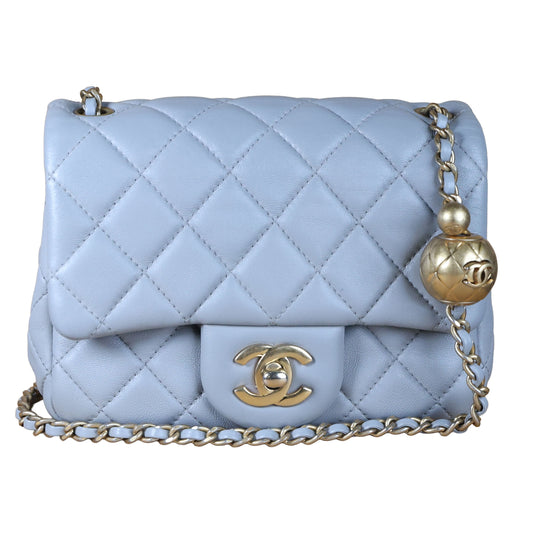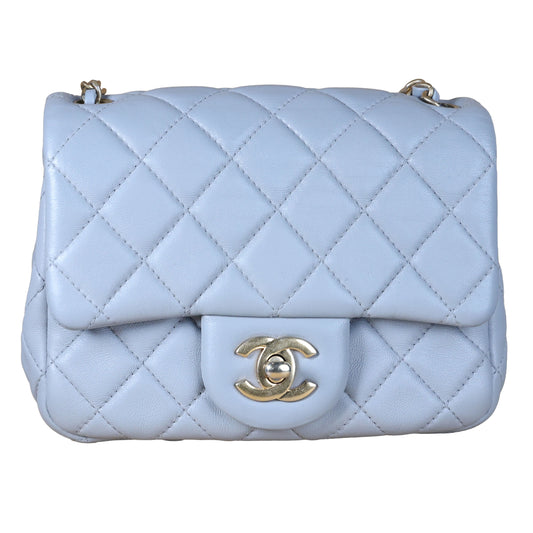

There are few objects in fashion that have stayed so faithful to themselves while quietly changing underneath. The Chanel Classic Flap you can buy on Pitt Street today and the one carried through Paris in 1989 look, at a glance, like the same bag. Same quilting, same chain, same Coco Mark turnlock catching the light. Yet anyone who has held both side by side knows they are not the same at all. The difference is in the weight of the chain, the warmth of the gold, the way the lambskin gives under your thumb. This is a story told in details, and the details are where the love lives.
A Brief Lineage
The Classic Flap as we know it was born in the 1980s, when Karl Lagerfeld took Gabrielle Chanel’s 1955 design, the 2.55, and reworked it. He replaced the rectangular Mademoiselle lock with the interlocking Coco Mark turnlock and threaded leather through the chain. That bag, known internally by the reference 11.12, has been in continuous production ever since.
“Vintage” in the Chanel world usually describes pieces made from the mid 1980s through to roughly the late 2000s. “Modern” refers to bags produced from around 2008 onwards, and particularly from the late 2010s, when a series of manufacturing and pricing changes reshaped the bag in ways collectors notice instantly.


Difference One: The Gold
This is the detail that converts people. Classic Flaps made before around 2008 were finished with hardware plated in 24 karat gold. The colour is deeper, richer and slightly orange in tone, a buttery warmth that modern hardware simply does not replicate. Hold a vintage turnlock beside a current one and the newer piece looks paler, cooler, almost champagne by comparison.
Chanel moved away from 24 karat plating in the late 2000s. Modern gold hardware is still beautifully finished, and the brand has offered several tones over the years, including a softer light gold and a brushed ruthenium. But for many buyers, that vintage glow is the single most compelling reason to look backwards.
The chain matters too. Vintage chains tend to feel heavier and more substantial, with a satisfying weight as they settle on the shoulder. The turnlock itself also differs subtly in proportion and backplate construction, which is one of the many details authenticators study closely.
Difference Two: The Leather and the Quilting
Vintage lambskin is famous for its depth. Many collectors describe it as thicker and more supple, with a plump, pillowy quilting that holds its diamonds in high relief. Over decades it develops a gentle patina, a softened sheen that tells you the bag has been lived in and loved.
Modern Chanel offers two main leathers on the Classic Flap: lambskin, which remains delicate and luxurious, and caviar, a pebbled calfskin introduced to make the bag more resilient for everyday wear. Caviar is a genuinely practical choice and holds its shape well, but it has a firmer, more structured hand. Modern lambskin is often described as thinner than its predecessors, and it tends to scratch and scuff with less provocation.
The quilting on contemporary bags is precise and consistent, with stitch counts and diamond alignment held to strict standards. Vintage quilting is equally careful but often appears puffier, with a softer, more sculptural profile. Neither is better in absolute terms. They simply feel like different expressions of the same idea.
Difference Three: Sizes and Construction
Today’s Classic Flap range is tidy and standardised: Mini Square, Mini Rectangular, Small, Medium, Jumbo and Maxi. The Jumbo and Maxi are relatively recent additions, arriving in the late 2000s. Most modern sizes feature a double flap construction, an interior second flap that adds structure and a sense of ceremony every time you open the bag.
Vintage is less orderly and far more interesting. Bags from the 1980s and 1990s appear in sizes and configurations that no longer exist in the current line: 9 inch and 10 inch flaps, single flap versions, bags with slightly different depths and proportions, and limited runs in colours or textures that were never repeated. For a collector, this is part of the thrill. You are not choosing from a catalogue. You are hunting.
Interior details have shifted as well. The burgundy leather lining and the arched “Mona Lisa smile” back pocket appear in both eras, but finishings, zip pulls and interior stamping vary over time and are useful markers when dating a piece.
Difference Four: From Stickers to Microchips
Chanel began applying serial number stickers to its bags in the mid 1980s, paired with an authenticity card bearing the matching number. The format of those numbers, and the security features of the stickers, evolved over the following decades, which allows experienced eyes to place a bag within a production window.
In 2021, Chanel retired the sticker system and began embedding microchips inside its bags. For modern buyers, this offers a different kind of traceability. For vintage buyers, the sticker remains part of the bag’s identity, and its condition is worth checking carefully. A faded or partially lifted sticker is common on older pieces and is not, on its own, a cause for concern. What matters is that the whole bag tells a consistent story, and that it has been properly authenticated by someone who knows Chanel intimately.
Difference Five: Price
Here the gap has become dramatic. In 2010, the Medium Classic Flap retailed for US2,850.Following the most recent round of increases on 2 April 2026, the Medium Classic Flap now sits at US $11,700, with the Jumbo at US $12,600 and the Maxi at at US $13,200. That most recent rise followed a US$500 increase just eight months earlier in August 2025. Australian boutique pricing has moved along a similar trajectory over the same period. chanel classic flap price guide +2
The result is that a modern Classic Flap is now one of the most expensive mainstream handbags in the world, and boutique purchases can come with restrictions; Chanel enforces a one Classic bag per transaction policy in boutiques. Vintage pieces in good condition, by contrast, frequently sit well below current retail while offering materials many collectors consider superior. That arithmetic alone has sent a generation of buyers into the preloved market. konesseur
Why People Choose Vintage
The reasons are as much emotional as practical, and the best ones overlap.
The first is craftsmanship. The 24 karat hardware, the heavier chain and the plush lambskin give vintage bags a richness that buyers can feel the moment they pick one up. For many, it is the Classic Flap at its most generous.
The second is individuality. When a modern bag is in your hand, thousands of identical bags exist alongside it. A vintage flap in a discontinued size, an unusual shade or a quilting variation that was produced briefly decades ago is a far rarer thing. It carries a sense of discovery that a boutique purchase cannot offer.
The third is value. With retail prices more than four times what they were sixteen years ago, a vintage flap represents a way into the most iconic bag in fashion without paying the newest premium. It also lets buyers choose condition, era and configuration on their own terms.
The fourth is character. Patina, softened leather and the faint warmth of well loved gold give a vintage bag a sense of history. It has been to dinners and weddings and airports you will never know about, and it arrives ready to keep going.
The fifth is conscience. Choosing preloved keeps an extraordinary object in circulation rather than adding to new production. For many of our clients, that matters as much as the bag itself.
What to Keep in Mind
Vintage rewards a careful eye. Gold plating can show rubbing on the turnlock and chain after decades of use, and some collectors choose to have hardware professionally replated. Lambskin corners are the first place to show wear, and interiors should be checked for odours, staining and any sign of mould, which requires professional attention before a bag is ready to carry. Vintage pieces have unknown histories and are typically sold as described, so honest, detailed condition reporting and expert authentication are essential.
Modern bags offer their own advantages: crisp structure, the reassurance of recent production, and caviar leather that shrugs off daily life. There is no wrong answer, only the question of what you want your Classic Flap to be. For some, it is a polished everyday companion. For others, it is a piece of the house’s history, with a glow that cannot be bought new.
Come and feel the difference for yourself. Visit us at 75 King St, Sydney CBD, or send us a DM on Instagram @luxe_again_maison to see our current vintage and modern Chanel Classic Flaps.