
Why circular fashion is surging
Circular fashion has moved from niche to mainstream because it solves three problems at once. It offers better value, it lowers environmental impact and it provides access to pieces that new retail often cannot supply. Shoppers want quality that lasts, not fast turnover. Preloved luxury keeps products in use for longer and rewards buyers with materials and construction that age well. The appeal is practical. You get proven design, reliable craftsmanship and a price that reflects real market demand rather than only the latest retail increase.

Value and resilience
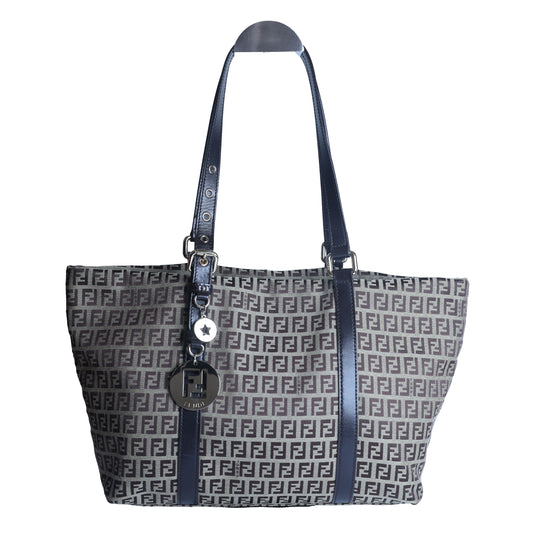
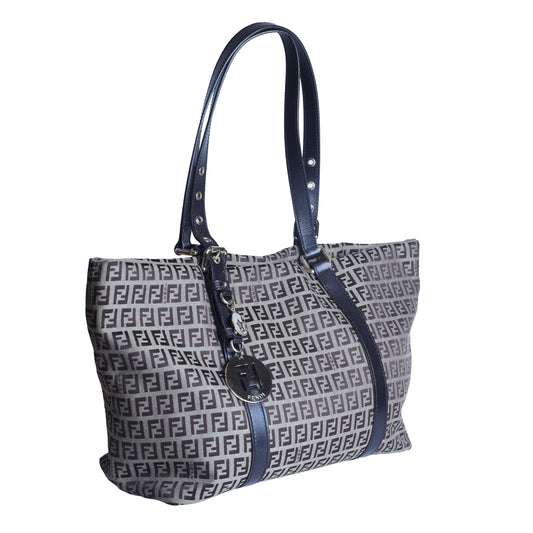
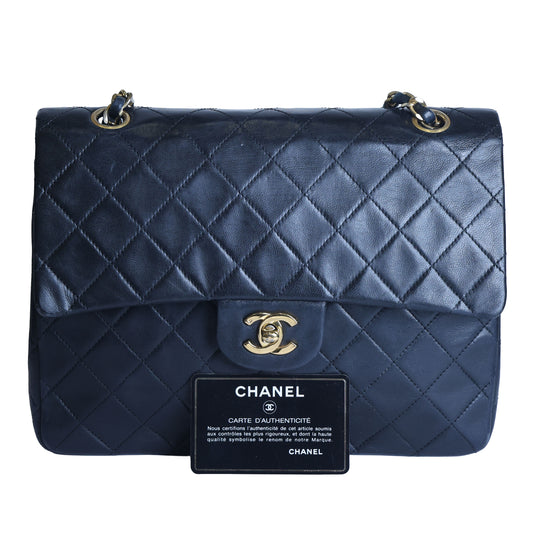
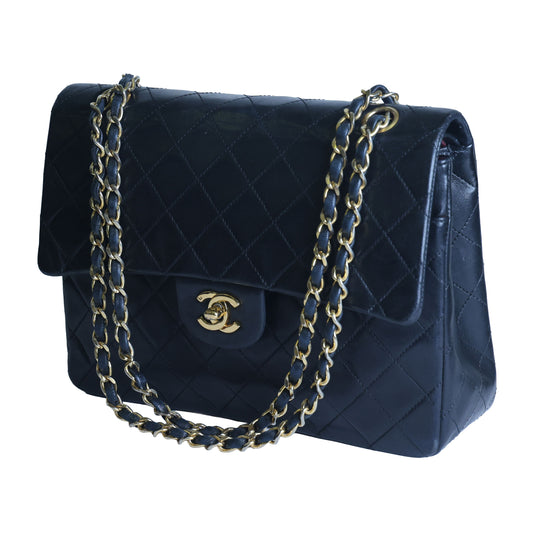
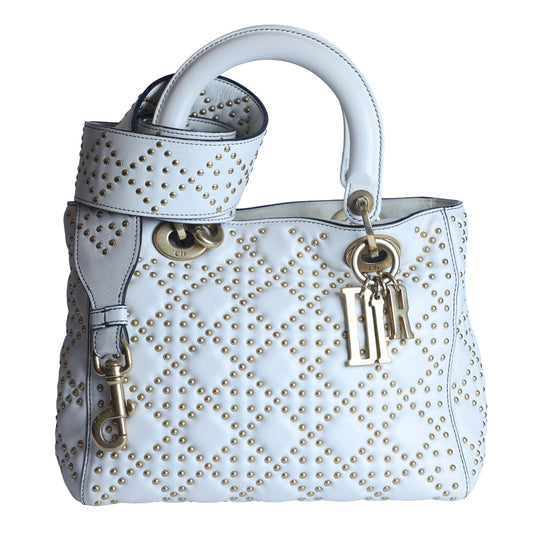
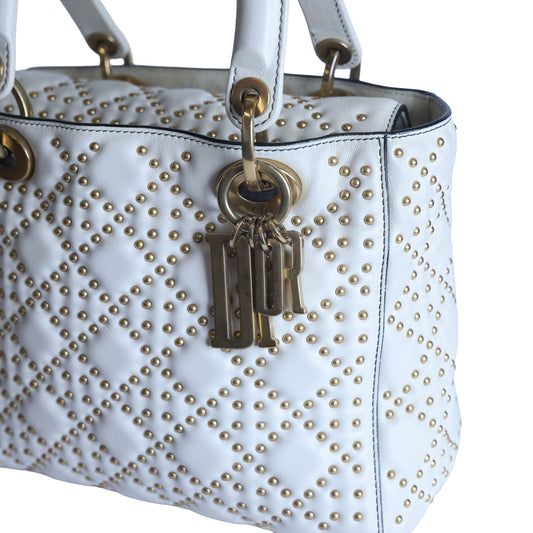
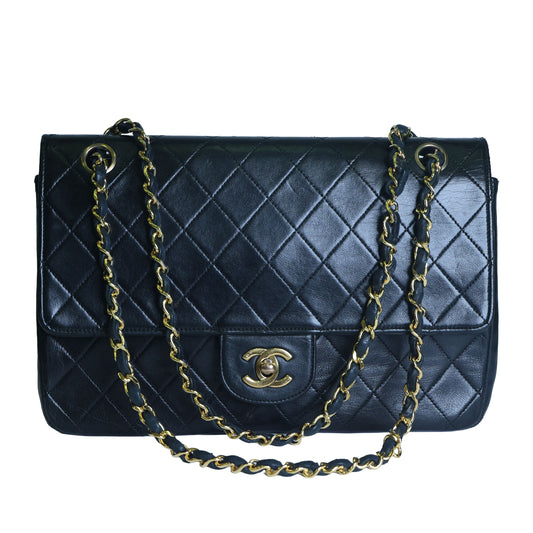
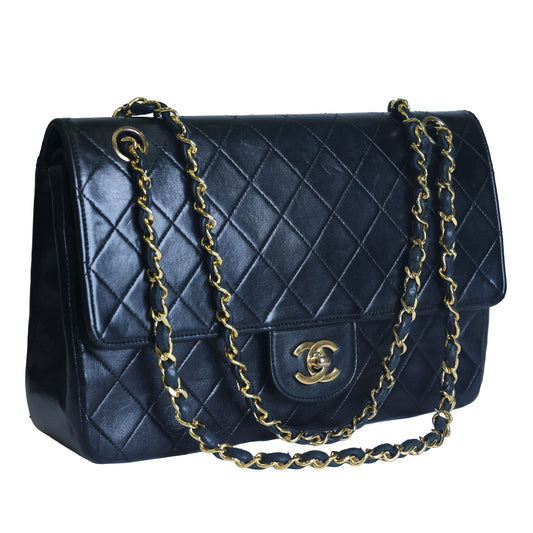
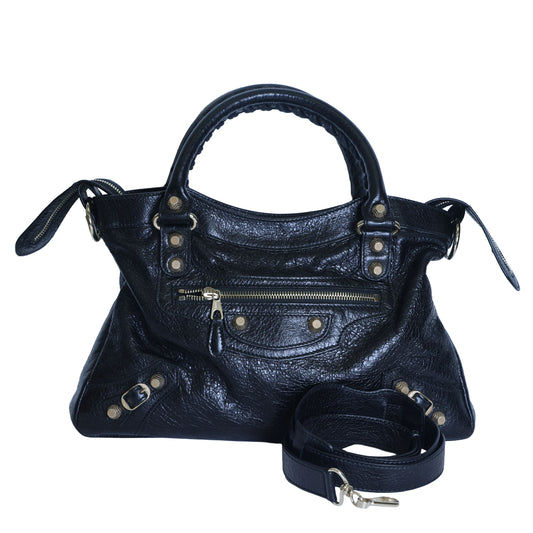
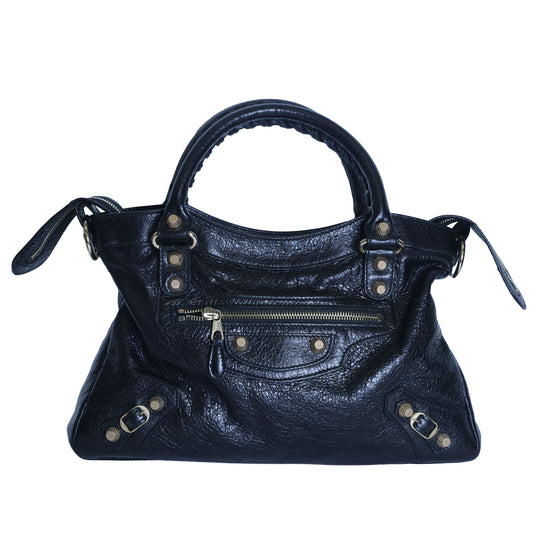
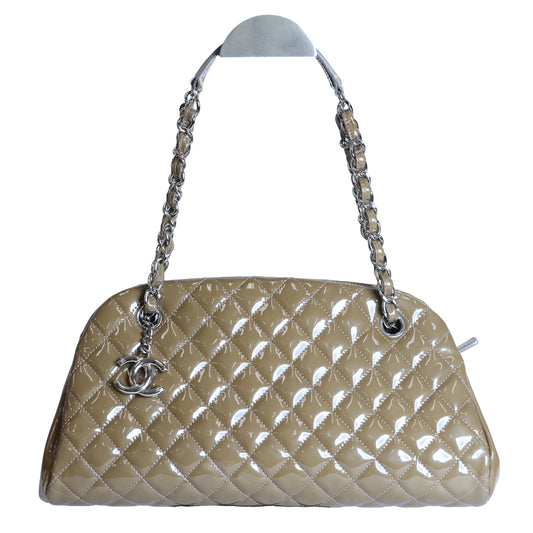
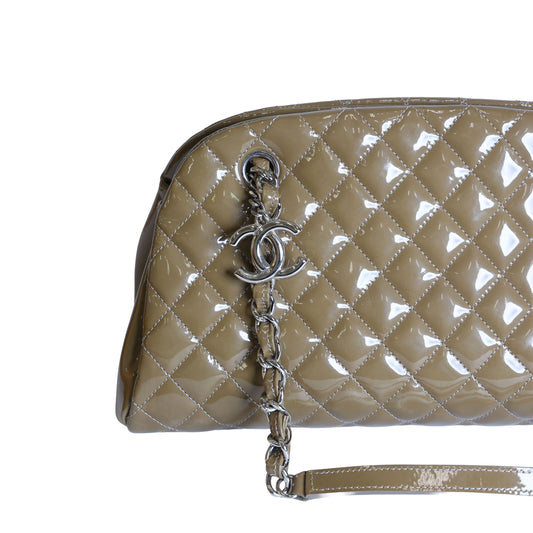
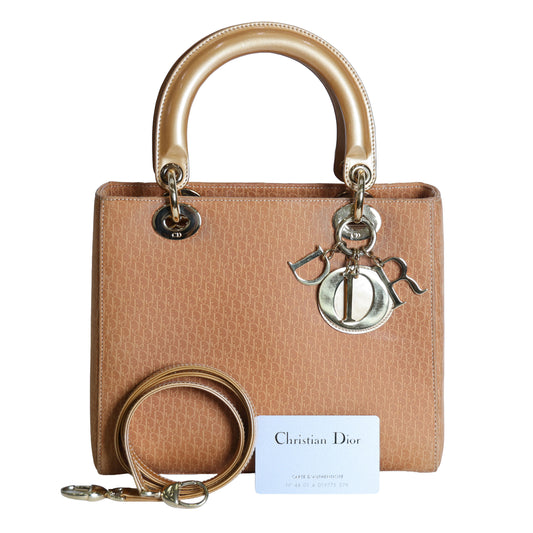
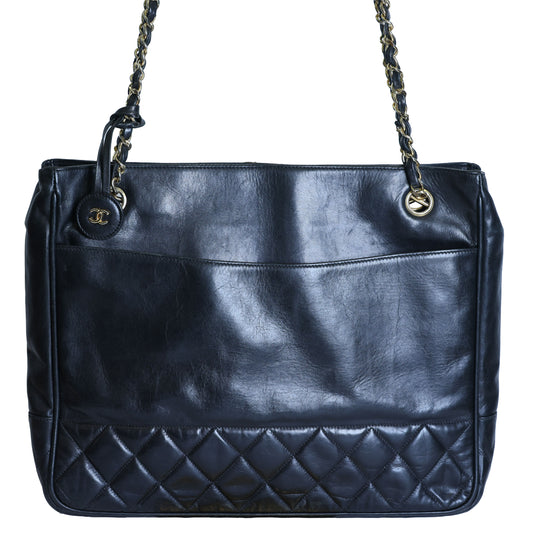
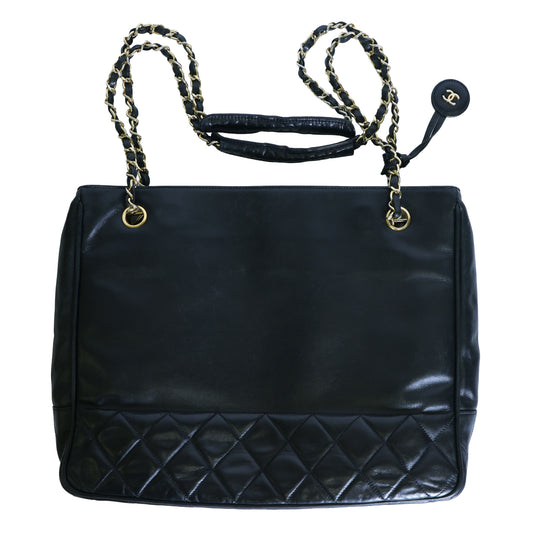
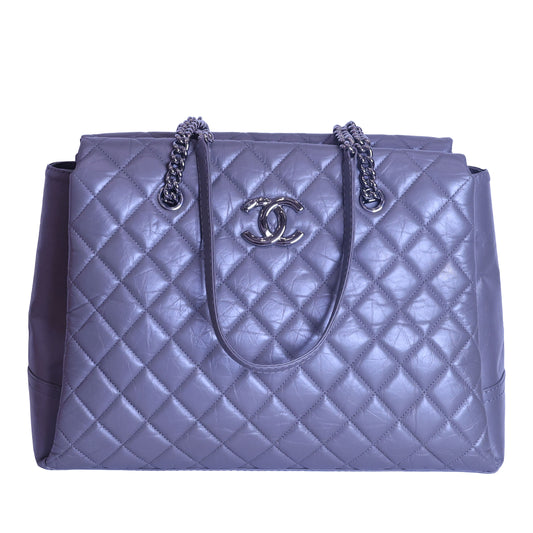
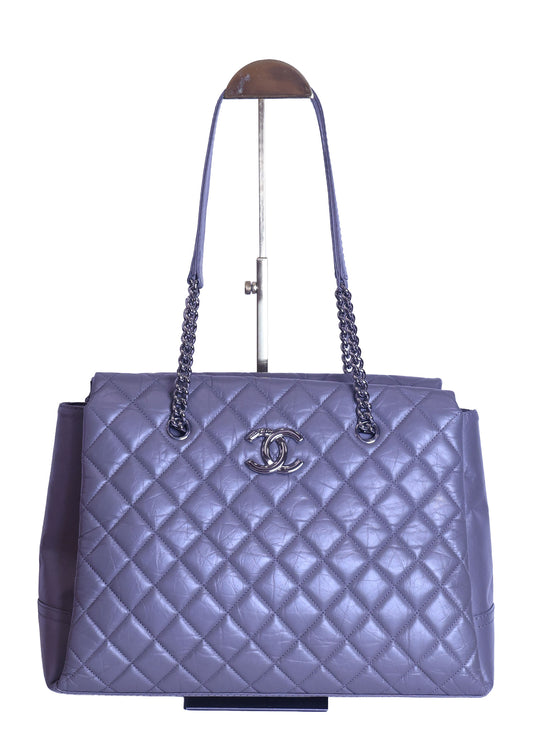
Luxury goods are built to endure. When you buy a classic Chanel, Dior or Goyard handbag, a Cartier bracelet or a vintage Rolex or Omega, you are purchasing robust materials and serviceable mechanics. Well kept pieces can hold value and in some cases appreciate, especially when the reference or colourway is scarce. Circular buying reduces immediate depreciation, which is why many consumers now treat certain items as wearable assets.

Environmental impact and waste reduction
Extending a product’s life is one of the most effective ways an individual can reduce fashion’s footprint. Each repurchase delays new production, conserves raw materials and keeps quality items out of landfill. Circular fashion is a simple habit that compounds across wardrobes. One bag or watch used for five or ten extra years makes a measurable difference.

Access to scarce and discontinued pieces
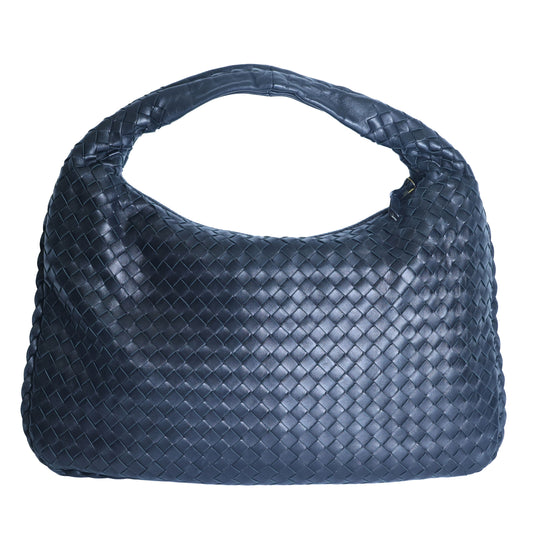
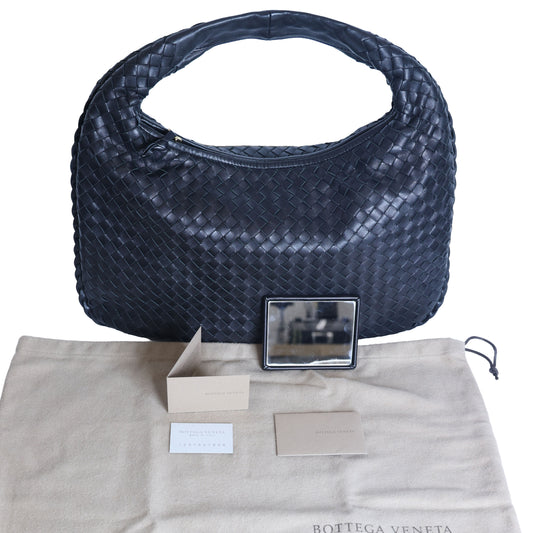
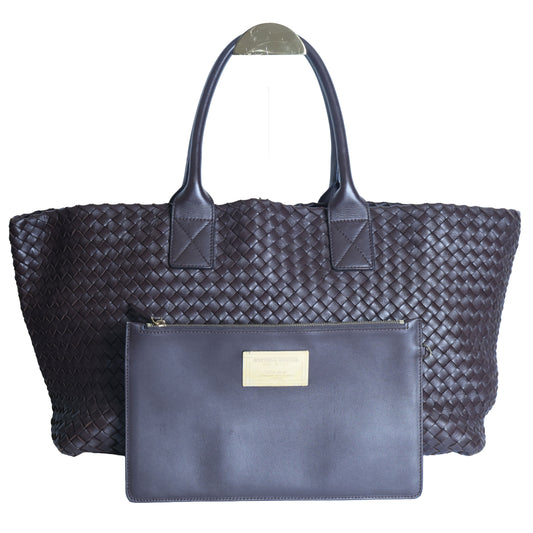
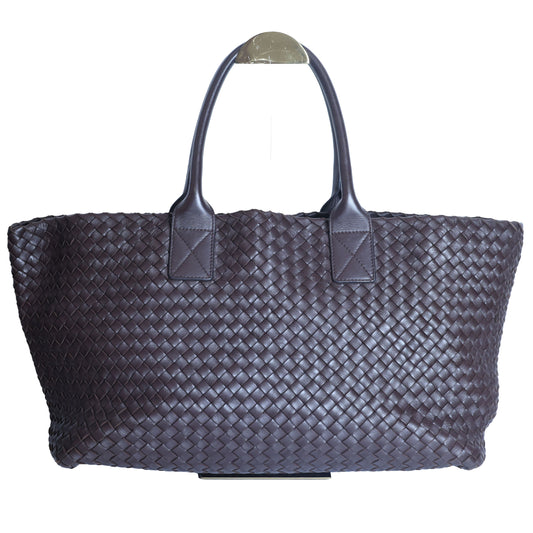
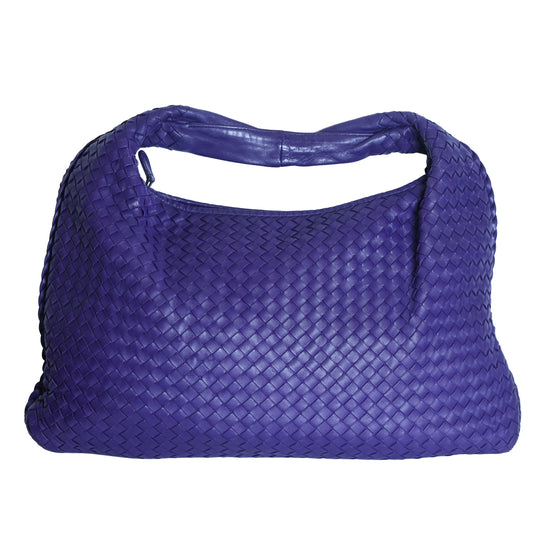
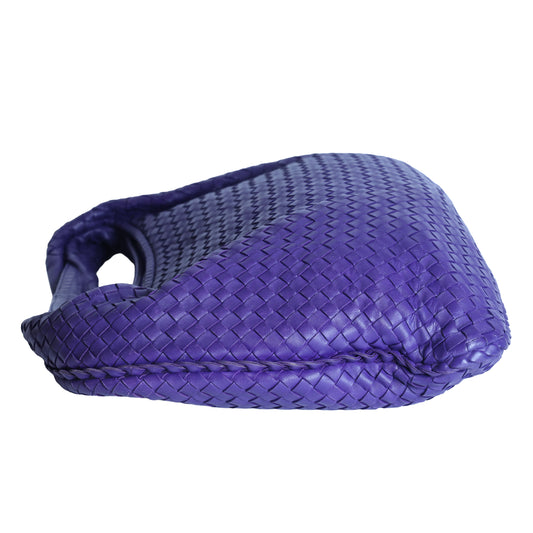
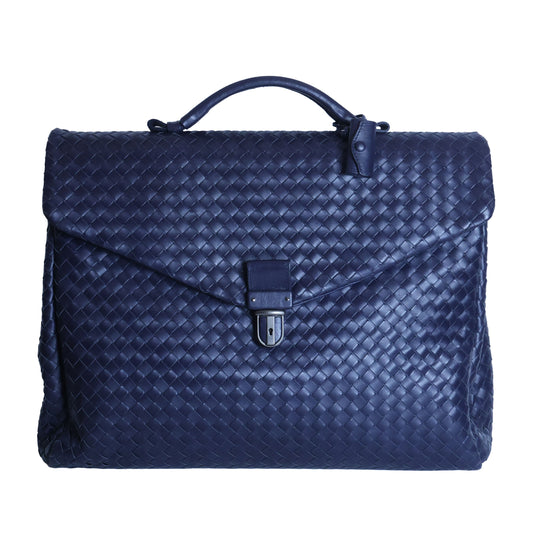
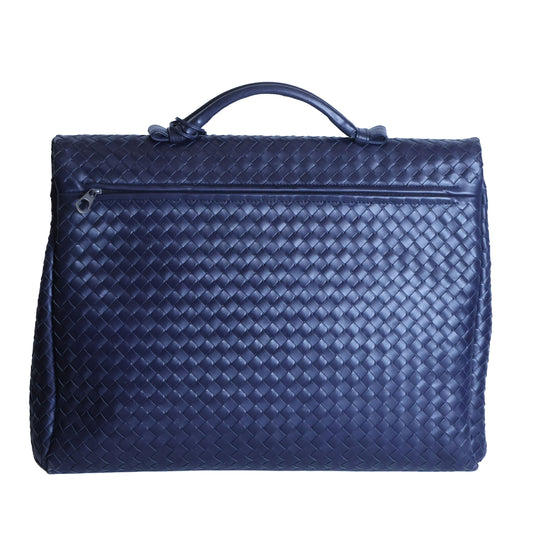
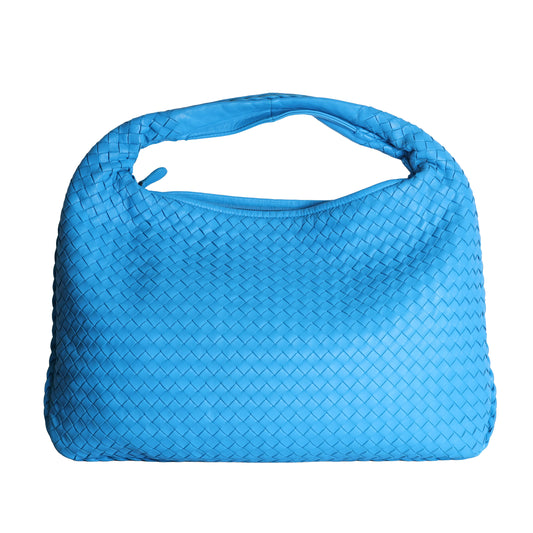
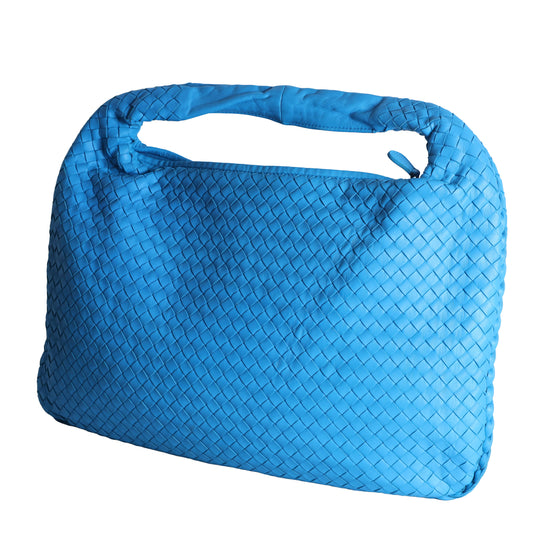
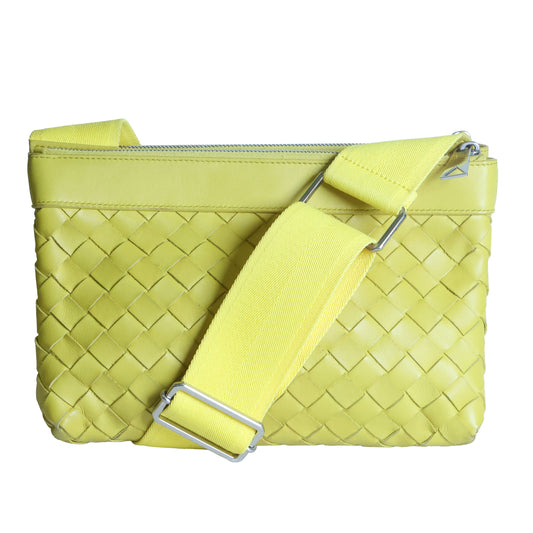
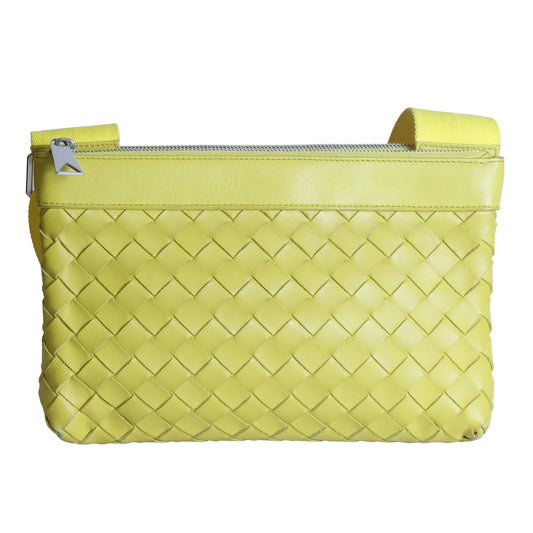
Circular channels are often the only route to discontinued references, limited colours and archive designs. Whether it is a Monogram Multicolore, a Bottega intrecciato in a past-season shade or a Heuer or Universal Genève reference with period-correct parts, the secondary market unlocks choice that no boutique can guarantee.

Secondhand luxury by the numbers
Analyst reports over the last few years tell a consistent story. Secondhand is growing materially faster than traditional retail, with luxury resale now a meaningful share of the overall market. Watches and jewellery are standouts, and handbags remain a steady core. The outlook points to continued expansion as more buyers start searches on resale platforms and more brands formalise trade-in and certified pre-owned programs. The direction of travel is clear. Circular is becoming a default path into luxury.

Market size and growth outlook
While estimates vary by source, most agree on two points. The secondhand sector has expanded at a multiple of the broader fashion market, and momentum is expected to continue through the decade. Digitisation, transparent pricing and trusted authentication are the main drivers.
Category leaders in bags, watches, jewellery
Classic handbags lead due to timeless design and durability. Pre-owned watches attract enthusiasts who value mechanical craft and documented service history. Jewellery benefits from intrinsic materials that carry enduring worth. Together these categories form a resilient base for circular growth.
Why preloved works for your wardrobe and wallet
Buying preloved luxury suits real life. You get immediate availability, seasoned materials and design that has already proven itself in daily use. Condition grading and professional refurbishment return pieces to a standard that is ready to wear. Prices reflect current demand rather than hype alone, which makes budgeting simpler.

Cost efficiency and price transparency
Resale platforms and specialist dealers publish comparable sales and clear photos, so you can benchmark value before purchasing. That transparency reduces guesswork and builds confidence.
Style longevity and timeless design
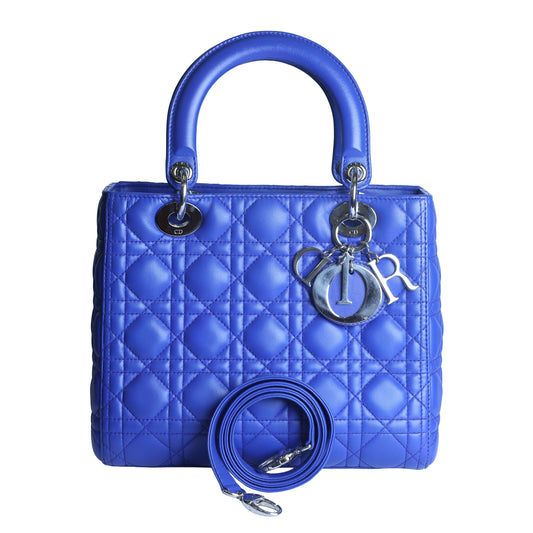
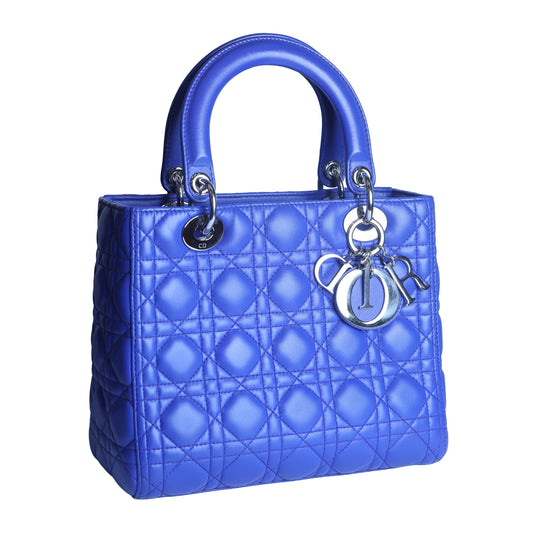
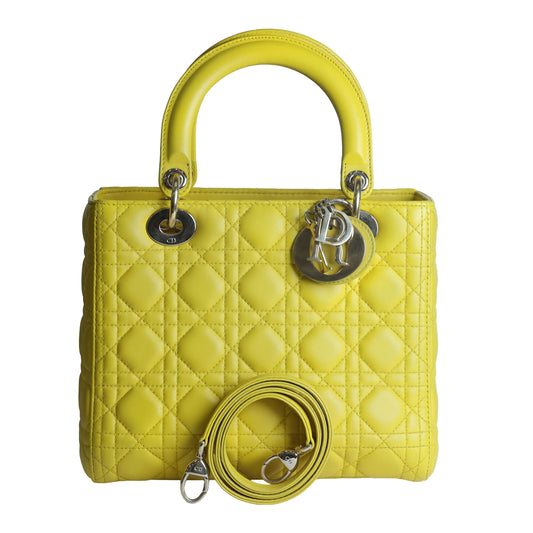
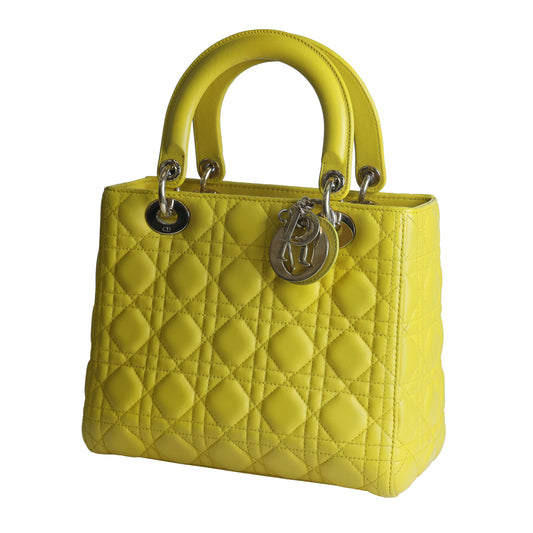
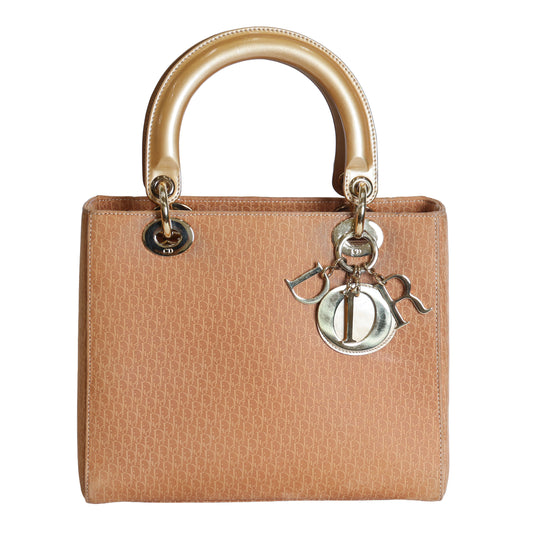
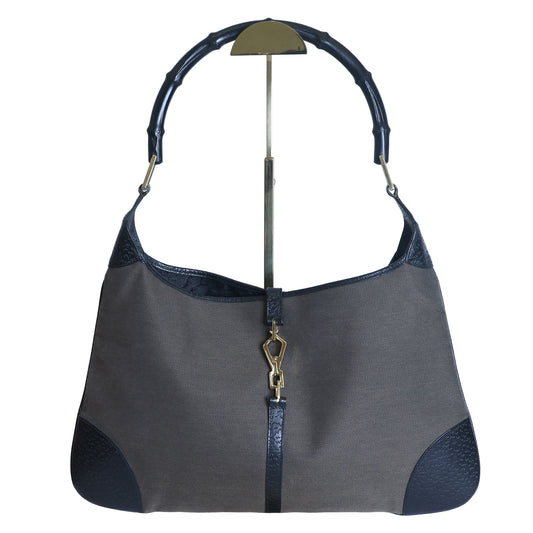
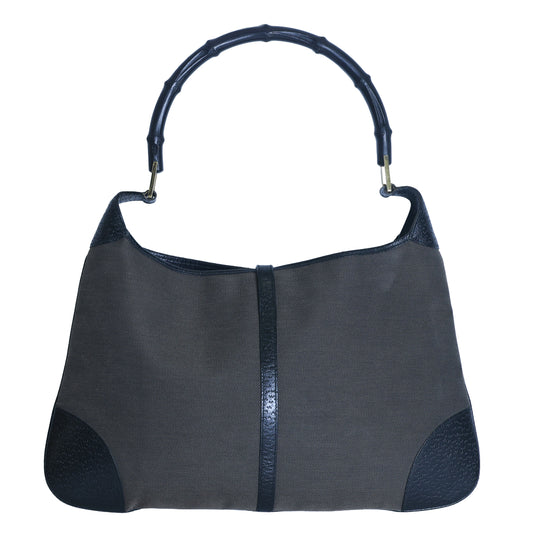
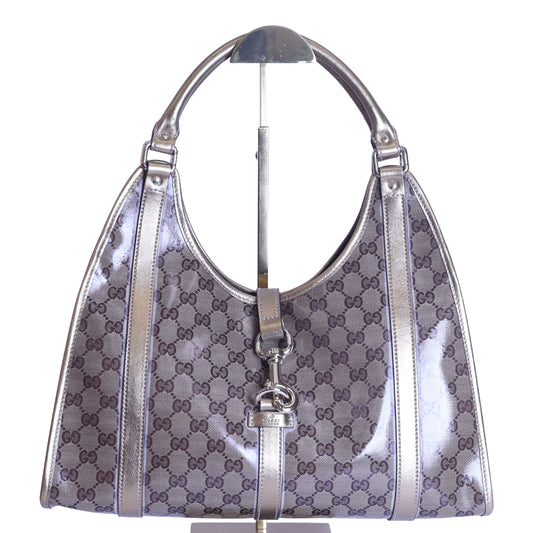
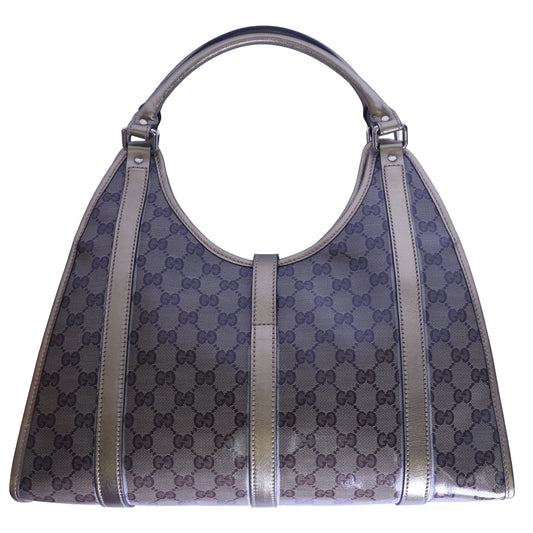
Circular fashion rewards classic lines, balanced proportions and quality hardware. A Jackie, Speedy, Cabat or Lady Dior looks current year after year. A well chosen Datejust or Speedmaster remains relevant regardless of trend cycles. You are buying design that outlasts seasonal shifts.

Condition grading and care
Clear condition notes and high resolution images help you select the right piece. Light edge scuffs or hairline hardware marks are normal signs of life, not defects. With simple care, high grade leather, steel and precious metals wear in rather than wear out.
Gen Z and Millennials driving adoption
Younger consumers are accelerating circular behaviour for practical reasons. Budgets are real, sustainability matters and discovery is part of the fun. Many now build wardrobes with a mix of new and preloved to balance cost, impact and individuality. Resale also enables experimentation without committing to full retail on every piece. Selling items back into the market closes the loop and funds the next purchase, which keeps the circular engine running.

Sustainability mindset and budget realities
Gen Z and Millennials expect purpose with purchase. Circular shopping aligns with that mindset and stretches money further without sacrificing quality.
Discovery culture and community resale
Hunting for the right reference or colourway is part of the appeal. Forums, platform reviews and dealer communities make the process social and transparent, which lowers barriers to entry.
Trust, authentication and certified programs
Confidence has improved dramatically. Independent authentication, digital certificates and brand run CPO programs reduce risk and speed decision making. Reputable dealers provide serial checks, movement tests for watches, material verification for jewellery and detailed condition reports for bags. Clear returns and warranties complete the trust stack.

Platform authentication and brand CPO
Third party checks and brand certifications give buyers verifiable proof before they commit. As more houses launch official programs, standards continue to rise.
Documentation, provenance and returns
Keep boxes, cards, invoices and service records where available. Provenance supports value at resale and simplifies insurance. Sensible return policies protect the buyer and encourage first time participation.
How to start buying circular
Define your target list by model, size and budget. Study recent sale prices and typical condition ranges. Prioritise trusted sellers and read listings closely. For watches, review service history and request timekeeping or waterproofing data where appropriate. For handbags, inspect corners, handles and hardware. For jewellery, confirm metal purity and stone specifications. Maintain pieces with simple routines and rotate them to spread wear. When it is time to move on, resell with clear photos and honest grading to keep the loop healthy.

Define your targets and budget
Focus on classics that suit your lifestyle. A versatile tote, a compact crossbody, a daily diver or dress watch and a piece of branded jewellery form a strong core.
Verify authenticity and condition
Use sellers who provide third party authentication or brand CPO. Ask questions and do not ignore small details. Good documentation today means easier resale tomorrow.
Maintain, rotate and resell responsibly
Store items properly, service watches on recommended intervals and condition leather when needed. Resell pieces you no longer use to fund the next purchase and extend their life.

Final thoughts
Circular fashion is back because it is better for your wallet, smarter for the planet and richer in choice. Preloved luxury delivers proven design, durable materials and real value with lower impact. Whether it is a classic handbag, a vintage watch or branded jewellery with history, buying circular turns style into a sustainable habit that lasts.